Introduction
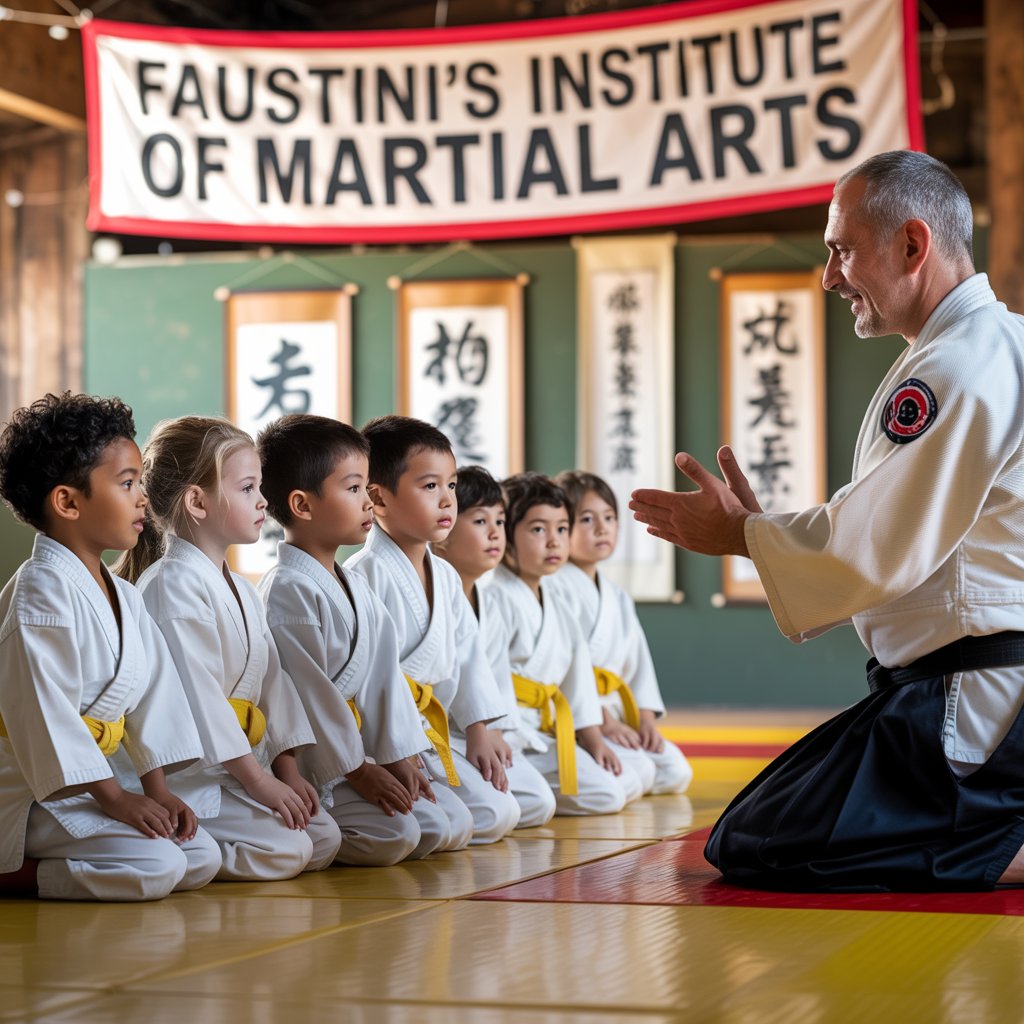
In today's rapidly evolving world, children with special needs often face unique challenges that can hinder their confidence and self-esteem. However, adaptive martial arts programs are Faustini's Institute of Martial Arts and Fitness martial arts classes near me emerging as transformative avenues for empowerment, particularly in New Jersey. These specialized sports initiatives not only promote physical fitness but also foster emotional regulation and social skills among children with disabilities. By integrating elements of traditional martial arts within an inclusive framework, these programs pave the way for children to thrive both on and off the mat.
What Is Adaptive Martial Arts?
Adaptive martial arts refers to tailored training methods designed to accommodate children with varied abilities. It provides a supportive environment where kids can learn self-defense techniques, improve coordination, and build self-confidence. This form of martial arts is especially beneficial for those with developmental disabilities, autism spectrum disorders, ADHD, and other special needs.
The Importance of Martial Arts for Special Needs Children
Engaging in martial arts allows children to develop essential life skills such as discipline, respect, and perseverance. For many kids with special needs, these classes offer a safe space to express themselves without fear of judgment.
Benefits of Martial Arts for Kids with Disabilities
Physical Fitness: Regular participation in adaptive martial arts enhances strength, flexibility, and overall fitness. Emotional Regulation: Activities like karate can help children manage their emotions more effectively. Social Skills: Group classes create opportunities for interaction and teamwork. Confidence Building: Accomplishing new skills fosters a sense of achievement.Adaptive Martial Arts for Children: Building Confidence in NJ
Engaging in adaptive martial arts can significantly boost children's confidence levels. With programs specifically designed for various skill levels and abilities—such as Faustini’s special needs program—children learn at their own pace while receiving personalized attention from instructors trained in adaptive techniques.
Why Choose Special Needs Martial Arts NJ?
New Jersey boasts a wealth of specialized programs catering to children with special needs. From martial arts therapy for children to inclusive sports programs, there’s something available for every child.
How Does Karate Help Kids with Special Needs?
Karate offers structured routines that enhance focus and concentration—skills that are often challenging for children with ADHD or autism. Techniques learned during classes may also aid in developing coping strategies that translate into everyday life situations.
Types of Adaptive Martial Arts Programs Available
- Karate for Kids with Special Needs: These classes focus on basic movements while promoting inclusivity. Martial Arts Therapy for Children: Therapeutic sessions that integrate physical activity with emotional support. Martial Arts Sensory Integration: Tailored exercises that help kids process sensory information more effectively.
Inclusive Martial Arts NJ: A Community Effort
Inclusion is at the heart of adaptive martial arts programs across New Jersey. Many local studios actively collaborate with schools and organizations to ensure these classes are accessible to all children.
Making Martial Arts Accessible
Adaptive martial arts instructors are trained to recognize individual strengths and weaknesses in each child. They tailor lessons accordingly—whether it involves modifying techniques or altering class structures—to ensure everyone can participate fully.
What Are Bergen County Special Needs Programs?
Bergen County has several initiatives aimed at providing quality sports experiences for kids with disabilities:
Autism-friendly Martial Arts Classes: Designed specifically to cater to the sensory sensitivities of autistic children. Martial Arts for Emotional Regulation: Programs focused on helping children identify and manage their feelings through physical activity. Special Needs Self-Defense NJ: Teaching practical self-defense moves while building confidence.The Role of Instructors in Adaptive Martial Arts Programs
An effective instructor plays a pivotal role in the success of adaptive martial arts classes. These professionals often possess certifications in special education or have undergone specific training related to working with individuals who have disabilities.
Qualities of an Effective Instructor
- Empathy: Understanding each child's unique challenges is crucial. Communication Skills: Being able to convey instructions clearly helps all students grasp complex techniques. Patience: Learning takes time; instructors must be supportive throughout the process.
Building Social Connections Through Martial Arts
One significant advantage of participating in adaptive martial arts is the opportunity it provides for socialization among peers facing similar challenges.
Fostering Friendships
Through group activities and shared goals, friendships blossom among participants—an essential element that enhances their overall experience and promotes lasting bonds beyond the dojo's walls.
FAQs About Adaptive Martial Arts
1. What age is suitable for enrolling my child in adaptive martial arts?
Most programs accept children as young as four years old; however, it's essential to find a class suited to your child's specific needs.
2. Do you need prior experience before joining an adaptive martial arts class?
Absolutely not! These programs are designed so beginners feel welcomed while learning foundational skills at their own pace.
3. Can my child participate if they have severe physical limitations?
Yes! Many adaptive classes accommodate various disabilities by providing tailored modifications enabling full participation regardless of physical limitations.
4. How do I find specialized programs near me?
A quick online search using terms like "special needs martial arts NJ" will yield numerous options available locally—in Bergen County or nearby areas!
5. Will my child be safe during practice sessions?
Safety is paramount; reputable studios prioritize proper training protocols ensuring all students engage safely within their capabilities!

6. What should I expect during a typical class session?
Classes usually begin with warm-ups followed by skill-building exercises before culminating with sparring drills or games tailored towards enhancing teamwork and cooperation!
Conclusion
Adaptive martial arts represent more than just a sport; they embody empowerment through movement! By focusing on building confidence among children facing diverse challenges—whether due to autism spectrum disorders or other developmental disabilities—programs across New Jersey offer invaluable opportunities fostering growth physically, socially, emotionally—and most importantly—mentally! Through inclusion-driven practices paired alongside skilled instructors dedicated toward understanding each student's unique journey together we create brighter futures full potential waiting unleashed upon mats everywhere! So why wait? Explore options today & pave pathways toward newfound strength today!